
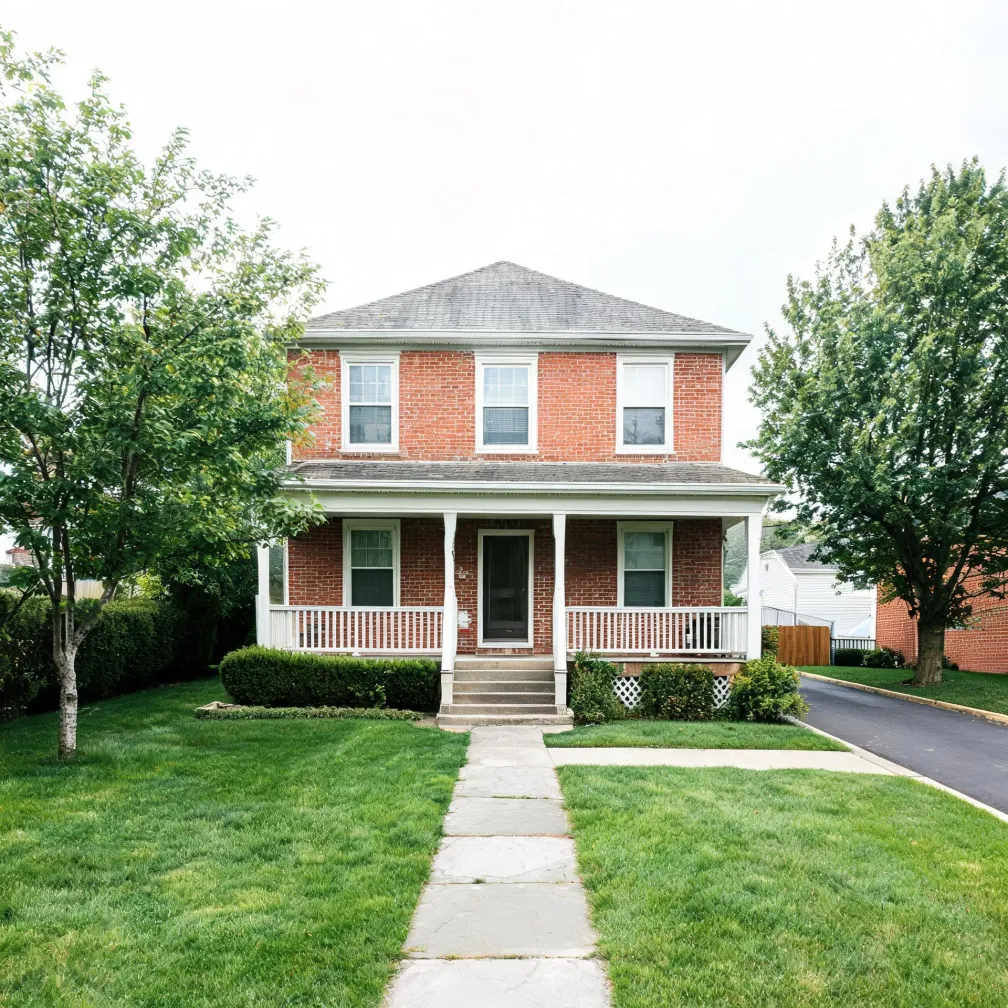
What Maryland homes are up against.
NOAA National Centers for Environmental Information, Storm Events Database, bulk CSV export, events 2015-01-01 through 2024-12-31. · U.S. Census Bureau, 2020-2024 American Community Survey 5-Year Estimates

A water heater in an electric home carries a different kind of load than one sitting beside a gas furnace. The recovery draw, the tank cycling, and the demand peaks all land on the same service. Electricity heats more occupied homes in Maryland than any other fuel, at 44.1% (2020-2024 ACS 5-year). That share means a contractor sizing or replacing a water heater is working inside a mostly electric house, where the heater is part of a larger electrical load rather than an isolated appliance. A unit undersized for that demand shows the gap on the first cold morning, when recovery slows and the household notices.
Before a contractor sizes or specifies a replacement water heater, they have to open up what is already there. Pipe connections, venting runs, and the electrical or gas supply serving the unit were installed for whatever the house had at the time, and those choices do not update themselves. Half the homes in Maryland were built in 1979 or earlier (2020-2024 ACS 5-year). That means across Maryland, a contractor who quotes from the street is guessing. What they find when they pull the access panel or trace the flue is what actually sets the scope, and it varies house to house even on the same block.
How does your Maryland county compare on severe weather?
2015–2024 · Source: NOAA National Centers for Environmental Information, Storm Events Database.
A heavier storm record means outdoor equipment works against wind, hail and heavy rain more often over its lifetime. That is worth knowing before a water heater goes in, since some units sit outside or vent through an outside wall. Wherever your county falls on this list, have a contractor check where the unit sits, how it is anchored, and the condition of the cabinet and vent.