Tell us about the job
Takes about a minute. No obligation.
Electricity heats more occupied homes in Queen Anne's County, Maryland than any other fuel, at 63.8% (2020-2024 ACS 5-year). Electric water heaters run every day of the year, not just through a heating season, which means the heating elements and thermostats in this county's homes accumulate electrical stress without pause. When a unit stops producing hot water or recovers slowly, a contractor checks the elements for burnout and tests the thermostats before considering anything else. Sediment buildup from hard water compounds the load on those elements, making the lower element the most common failure point a technician finds on the bench.
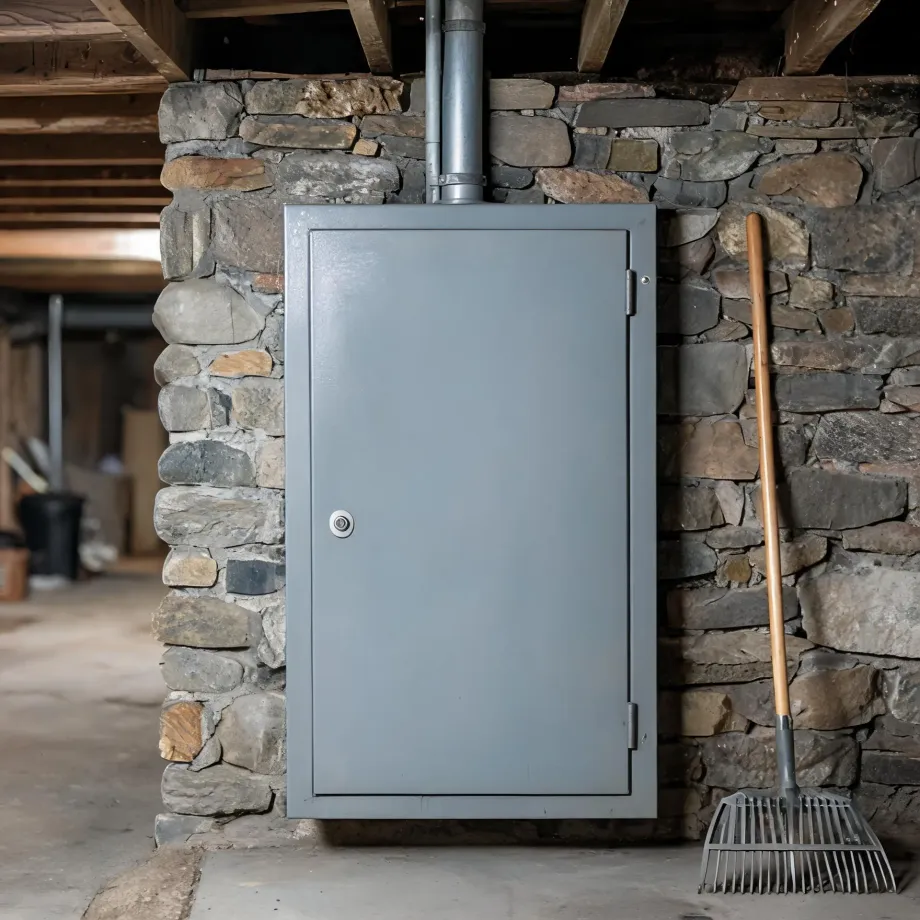
Water heaters in this county's older housing stock tend to carry years of sediment load and anode rod wear that only become visible once a contractor opens the unit. Half the homes in Queen Anne's County, Maryland were built in 1990 or earlier (2020-2024 ACS 5-year). Stock of this age has had time to cycle through multiple water heaters entirely, and the units now in place have often been running long enough that replacement parts require sourcing rather than shelf pulls. What a contractor quotes on parts depends on what they find inside, not on the age printed on the permit.
The Parts of a Water Heater a Contractor Checks First
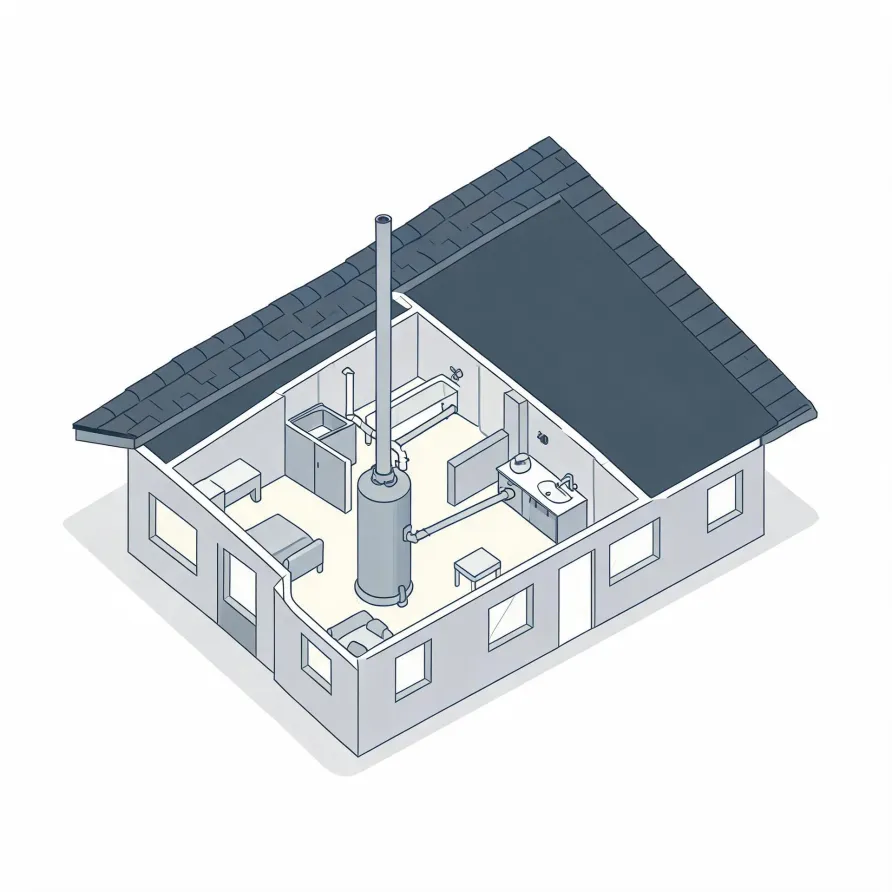
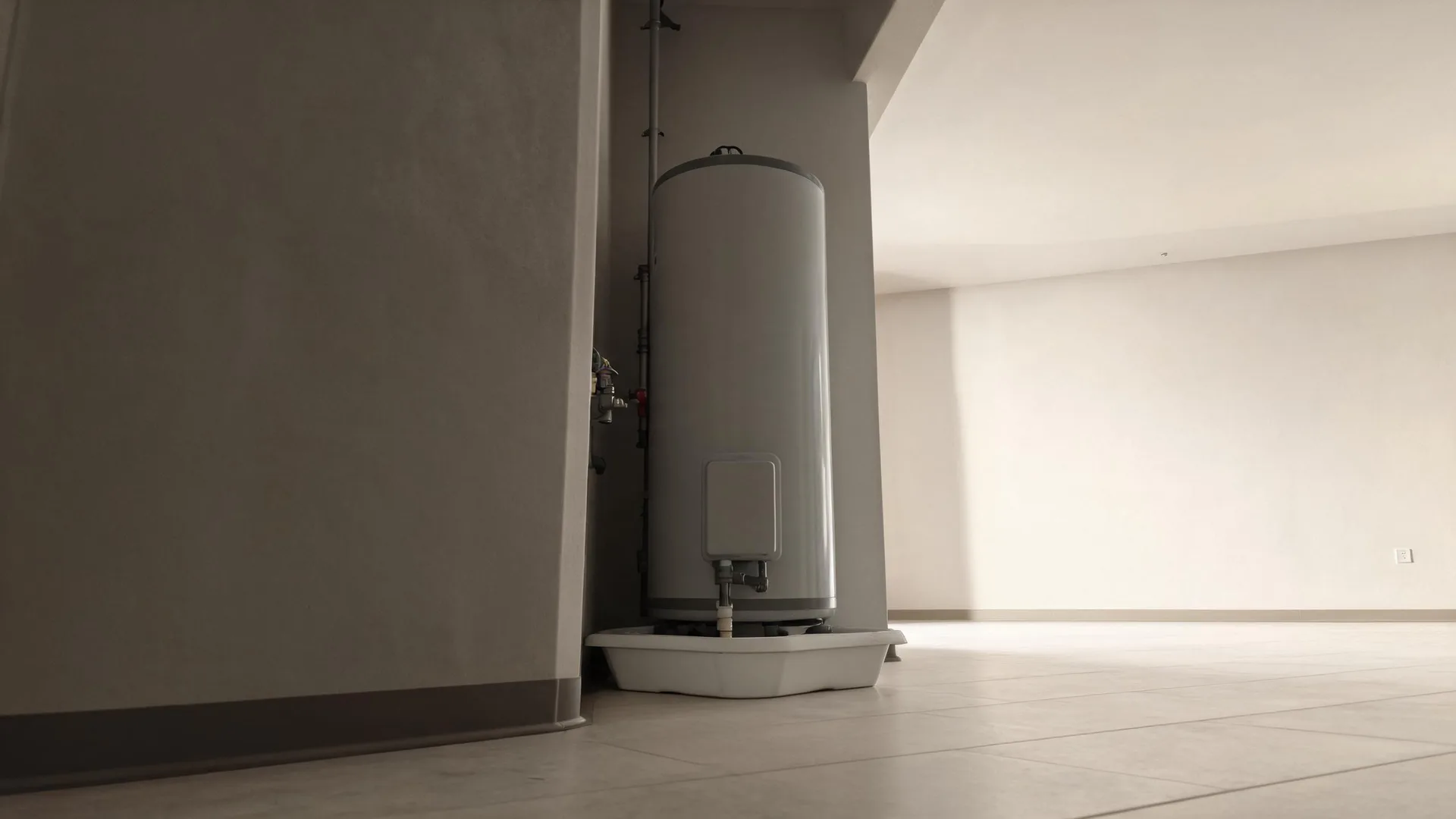
The tank is the centerpiece of the system, sitting in a utility room, basement, or closet, and its job is to hold and heat a supply of water ready for use. The burner assembly or heating element sits at the base or inside the tank and is often where a contractor starts when hot water has stopped showing up or recovery is slow.
The pressure relief valve mounts on the side of the tank and opens if internal pressure climbs too high. The anode rod runs down through the interior and slows corrosion of the tank walls. The dip tube, inlet and outlet connections, and the thermostat round out what a contractor works through when diagnosing a problem.
The drawing shows a typical water heater layout, and a licensed contractor determines which parts apply to the specific unit and setup in your home.
Get matched in Queen Anne's CountyQueen Anne's County, by the record
132 severe weather events were recorded in Queen Anne's County, Maryland between 2015 and 2024.
NOAA National Centers for Environmental Information, Storm Events Database, bulk CSV export, events 2015-01-01 through 2024-12-31.Half the homes in Queen Anne's County, Maryland were built in 1990 or earlier (2020-2024 ACS 5-year).
U.S. Census Bureau, 2020-2024 American Community Survey 5-Year EstimatesQueen Anne's County, Maryland holds 22,038 housing units (2020-2024 ACS 5-year).
U.S. Census Bureau, 2020-2024 American Community Survey 5-Year EstimatesOwners occupy 82.9% of the occupied homes in Queen Anne's County, Maryland (2020-2024 ACS 5-year).
U.S. Census Bureau, 2020-2024 American Community Survey 5-Year EstimatesCodes & Standards Covering Water Heater Repair in Queen Anne's County, Maryland1 sourced rules and standards
Licensing Rules for HVAC Repair in Queen Anne's County, Maryland
Maryland requires a state licence before an individual provides, or assists in providing, heating, ventilation, air-conditioning or refrigeration services.
Severe Weather Events in Queen Anne's County, Year by Year
Storm activity puts real stress on water heaters: pressure swings, power fluctuations, and hard recovery cycles after outages all add up over time. How much of that a unit faces depends on where it sits, which makes local weather history a useful part of the picture for any repair decision in Queen Anne's County.
132 severe weather events, 2015–2024. Source: NOAA National Centers for Environmental Information, Storm Events Database.