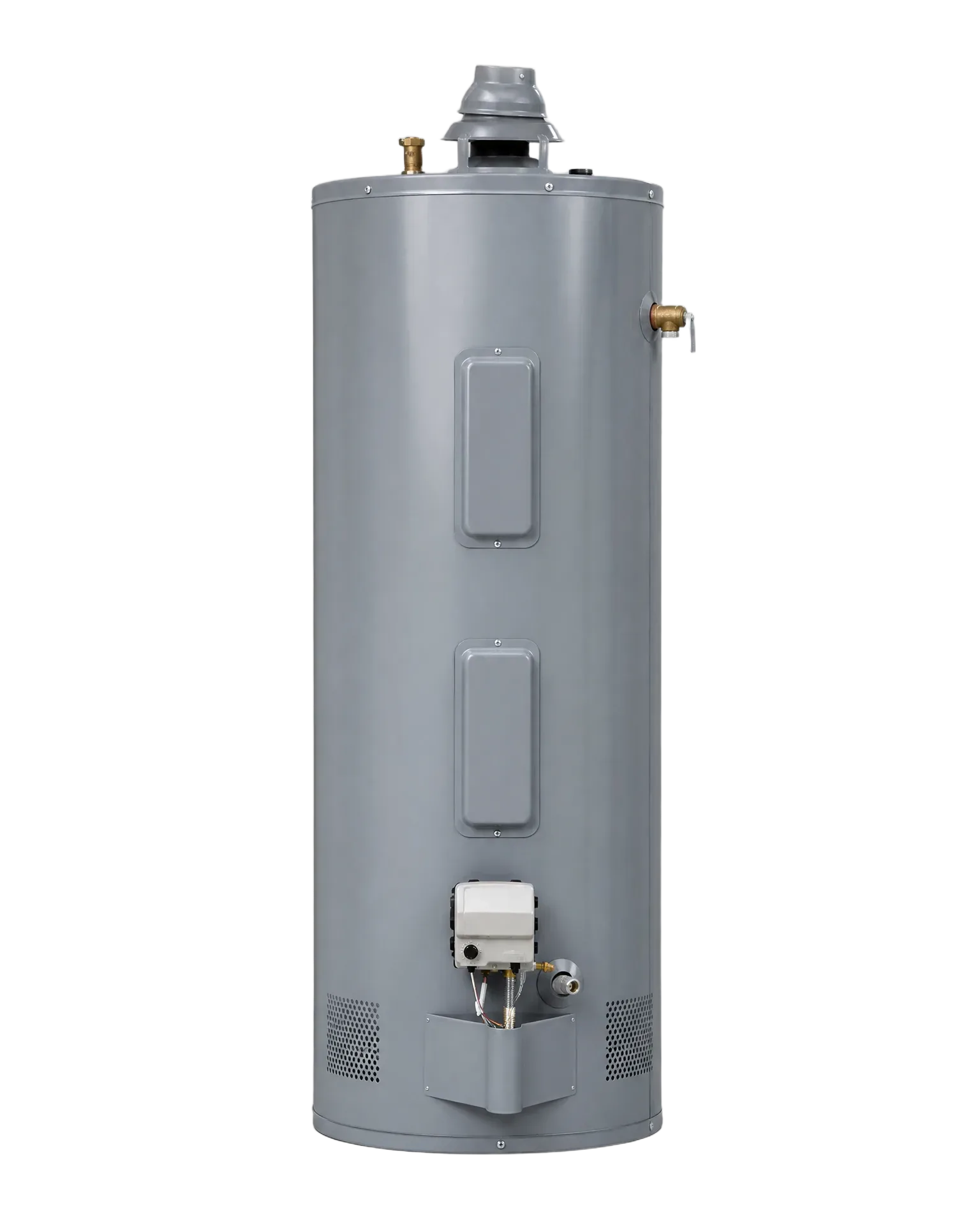
Running out of hot water fast usually means the tank can't recover between uses, and that's a bigger problem in Maryland than it sounds. Most homes here heat water with electricity, and an electric water heater recovers slower than a gas one because the elements inside heat water gradually instead of firing a burner under the tank. If a lower heating element has failed, you're running on the top element alone, which heats maybe a third of the tank before it runs dry. A bad thermostat can do the same thing, cutting off an element too early or letting the tank think it's already hot. Sediment sitting at the bottom of the tank takes up space water used to fill, so a 50-gallon tank starts acting like a 35-gallon one. None of these fix themselves, and electric heat in Maryland already costs more to run than most people expect, so a heater working harder than it should shows up on the bill before anyone traces it back to the tank.




How Your Electric Water Heater Recovers
- An electric water heater has two heating elements, one near the top and one near the bottom of the tank.
- The top element heats first and shuts off once that section reaches temperature, then the bottom element takes over to recover the rest of the tank.
- If the bottom element fails, the top element still gives you warm water at first, which is why the problem can feel sudden instead of gradual.
- Sediment that settles on the bottom element makes it work harder and recover slower, even when the element itself is fine.
- A thermostat set lower than it reads, or one that's failed, can cut your usable hot water well before the tank runs empty.
- A tank that recovers slowly will show hot water fading mid-shower rather than running out all at once.
Inside the tank are two elements stacked top and bottom, and they don't run at the same time. The top one fires first, heating the water closest to it until that section hits temperature, then it shuts off and hands the job to the bottom element, which recovers the rest of the tank. That handoff is why a failure doesn't always announce itself right away. If the bottom element burns out, you still get a tank's worth of warm water from the top one at first. It's only once that upper section cools and nothing picks up the recovery that you notice the water turning cold, often mid-shower instead of at the start. Sediment changes the math too. Minerals settle on the bottom element over time, and that layer acts like insulation between the element and the water it's supposed to heat. The element still draws power and still gets hot, but less of that heat makes it into the tank, so recovery slows down even though nothing has technically failed yet. A thermostat that's drifted low, or one that's stopped reading the water temperature correctly, cuts into your usable hot water the same way, just from a different cause. A contractor checking any of this is testing specific things: both elements, both thermostats, and what's built up at the bottom of the tank.


Hand off the water heater problem

Fill out one short form instead of calling around.
There's no charge for the request.
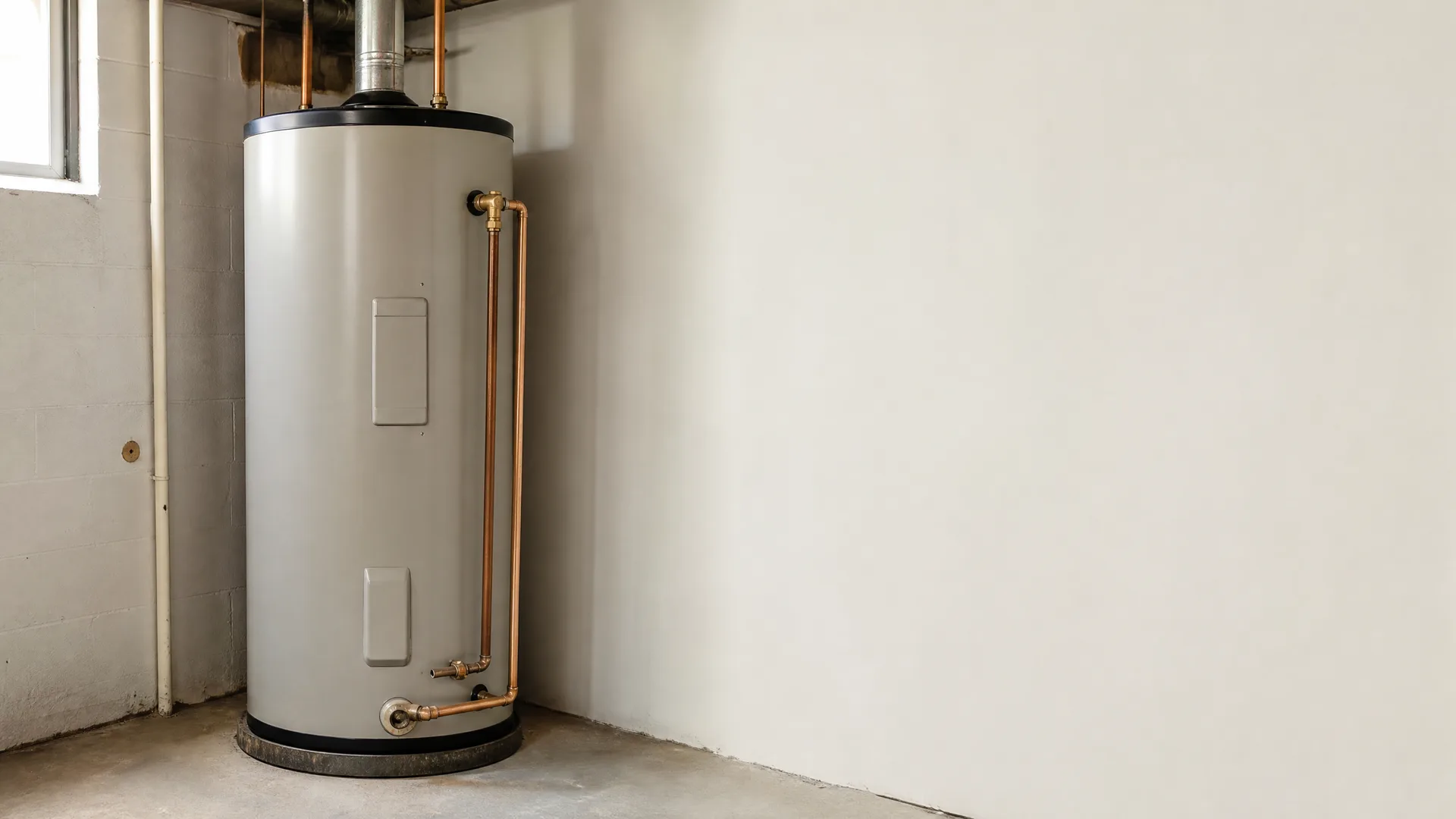
When one element fails
If the bottom element stops working, the top one still heats the water near it, so the tap can still run warm for a few minutes before turning cold. That's why this kind of failure gets mistaken for normal use instead of a repair that's needed. A contractor checking a water heater for this tests both elements, not just the one that's easiest to reach.
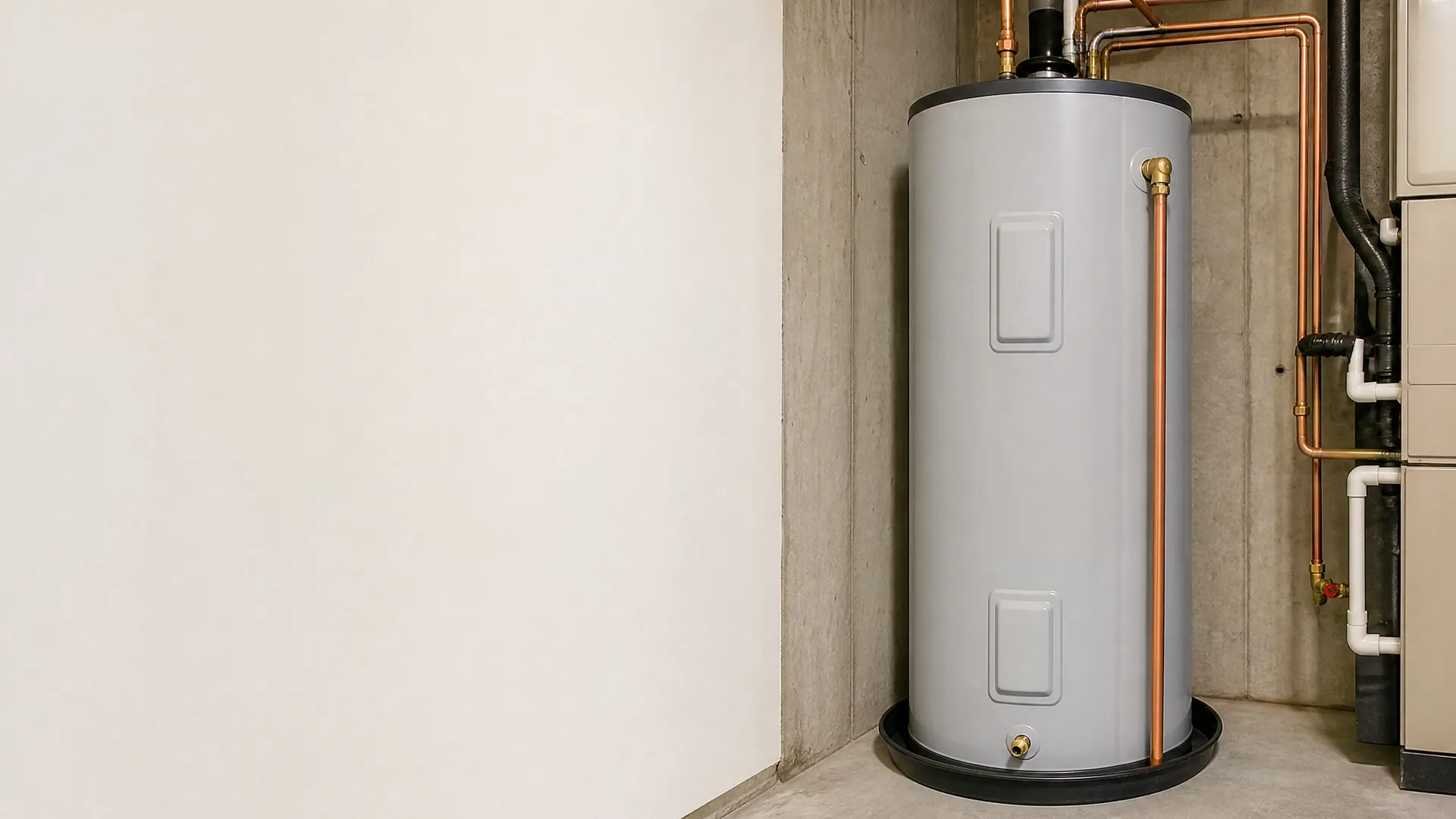
What a sediment layer does
Maryland water carries minerals that settle at the bottom of the tank over years. That layer sits right where the lower element has to heat water, and it acts like a barrier between the element and the water above it. The element works harder and takes longer to bring the tank back up, which shows up as shorter and shorter stretches of hot water at the tap.
Bad Element or Built-Up Sediment
Element Failure
- One bad element means only part of the tank heats, so you still get a few minutes of warm water before it turns cold.
- The thermostat controlling that element can fail along with it, and a contractor usually tests both when diagnosing the tank.
- A failing lower element is easy to miss because the shower still starts warm, then drops faster than it used to.
- Replacing an element is a contained job since the tank itself and its insulation are still doing their part.
- If only one element is out, the rest of the tank's capacity is unaffected once the part is replaced.
Sediment Buildup
- Electric water heaters build sediment at the bottom of the tank over years of use, especially with harder water.
- Sediment sits between the lower element and the water, so the element works harder and recovers slower even when it's not broken.
- A tank with heavy sediment can make the lower element burn out sooner than it should, turning one problem into two.
- Flushing the tank clears the sediment, but if the element already failed from the strain, that still needs replacing separately.
- This kind of buildup is gradual, so the drop in hot water supply creeps in over months rather than happening all at once.
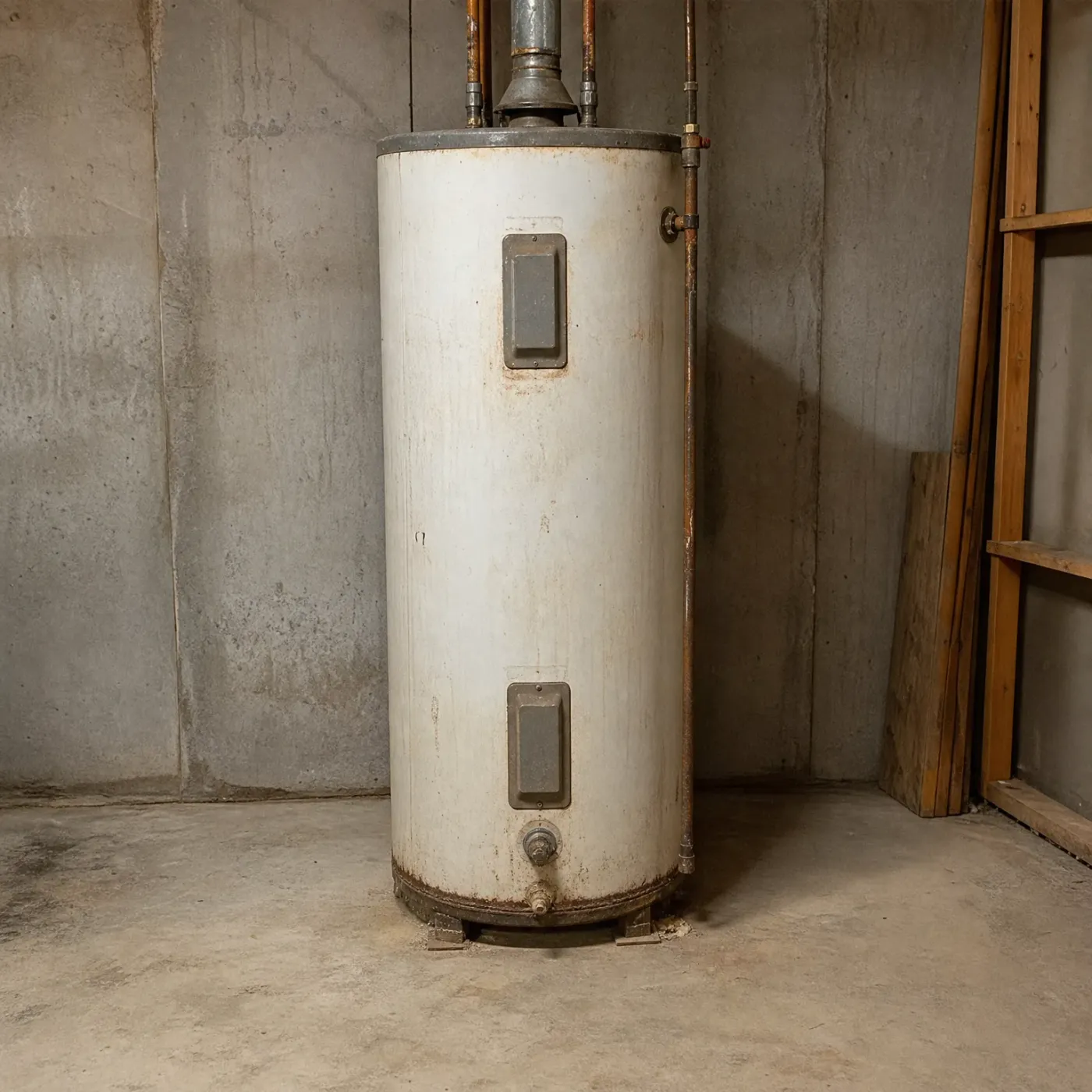
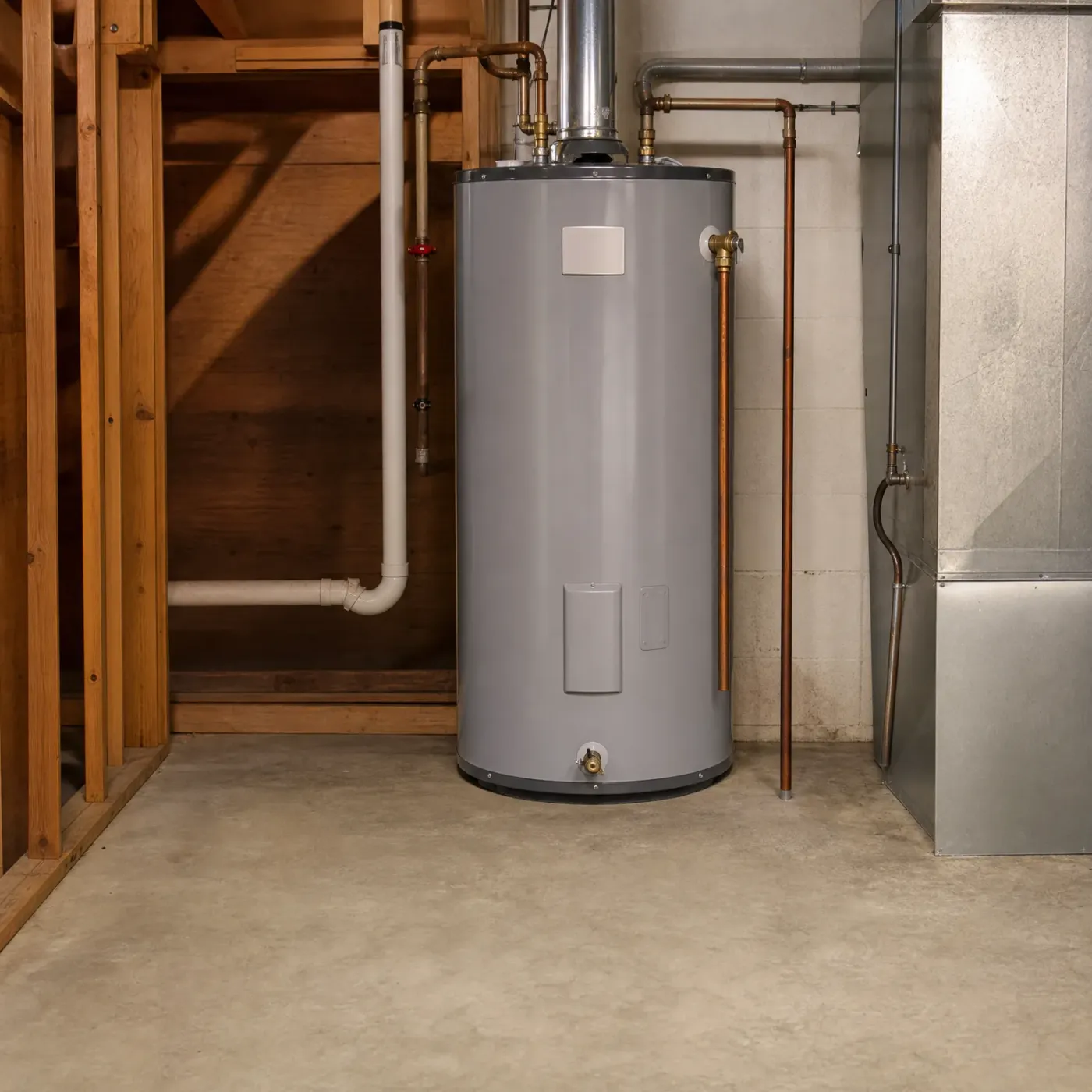
44.1% of homes statewide heat with electricity
If your water heater runs on electricity, like most homes in Maryland, recovery time is already working against you. A slow-recovering tank falls further behind on the days you need it most, like after back to back showers.
ACS 2020-2024 5-year B25040

A tank that runs short of hot water has a reason, and it can be found
Running out of hot water fast almost always traces back to one of two things: a failed element or a tank that was never sized for how the house uses it. A contractor can tell which one you're dealing with by testing the elements and thermostats directly, not by guessing from how the shower feels.
Once you send the form, you're done hunting. You won't be searching listings, calling around for someone who answers, or explaining the same problem to three different companies while you compare quotes. That part ends. What's left is a contractor who already knows what Maryland homes are usually working with and can get to the actual cause.

One request and it's handed off
Explain the job once and skip repeating it on every call.