Send one request and you're done looking
Tank or tankless water heater for a Maryland home
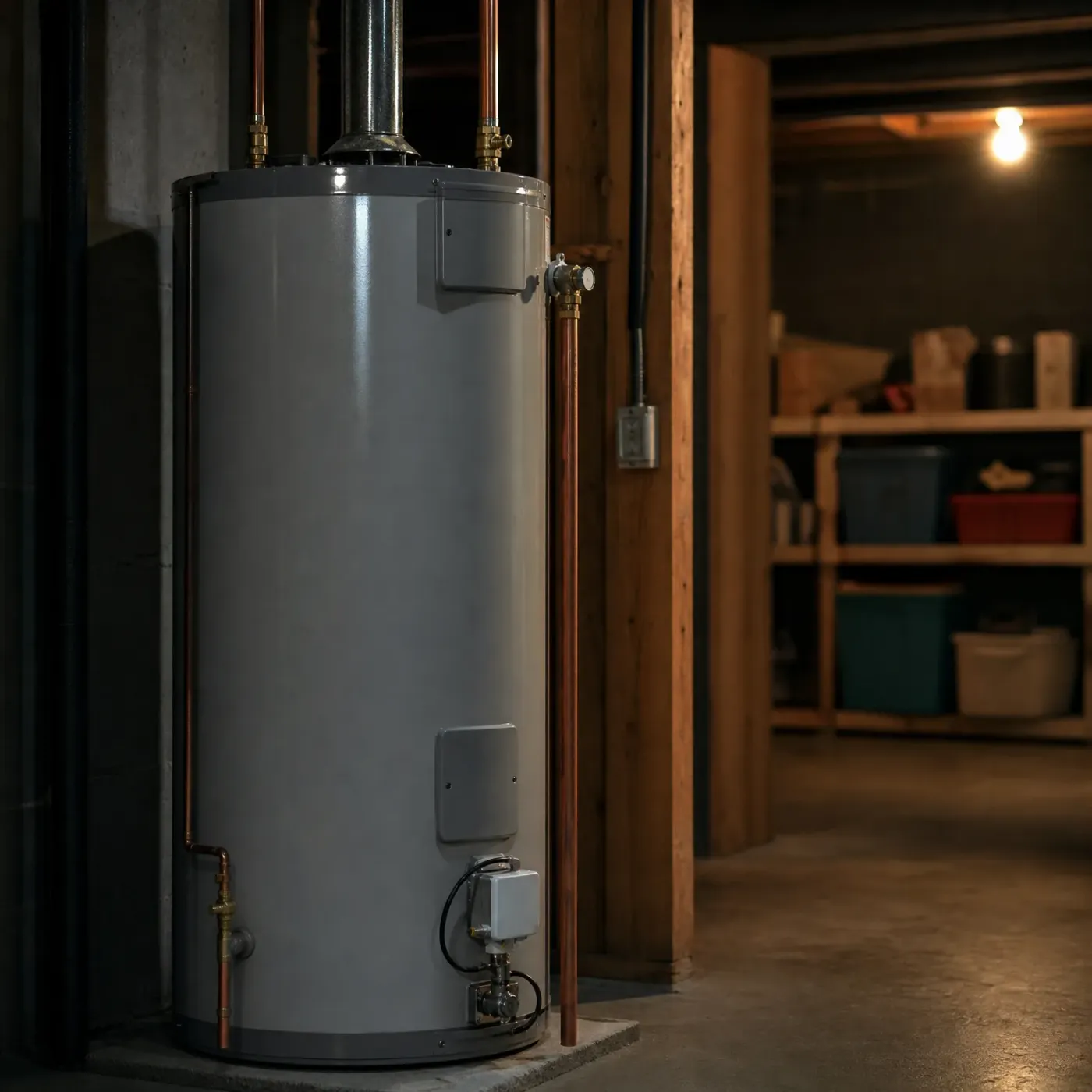
Tank or tankless comes down to how much hot water your house actually uses and what electricity costs you to make it, since most Maryland homes run electric. This page gets into what each one means for your utility bill and your space, and what tends to go wrong with each here. Once you send the form, a licensed local contractor takes it from there.
Hand it offMost Maryland homes do better with a tank. Electricity is the fuel most houses here use to heat water, and a tankless electric unit needs a large jump in power, often more than a typical electric panel can give it without upgrades. A tank heats water with standard household current and keeps a supply ready, so it doesn't ask your panel for anything unusual. Tankless still has a place, mainly in homes with gas service, where the burner can deliver the heat on demand without straining the electrical system. If your home runs on electric heat like most in the state, a tank is the simpler install and the one that works with the wiring you already have. If you have gas, tankless is worth a real look.


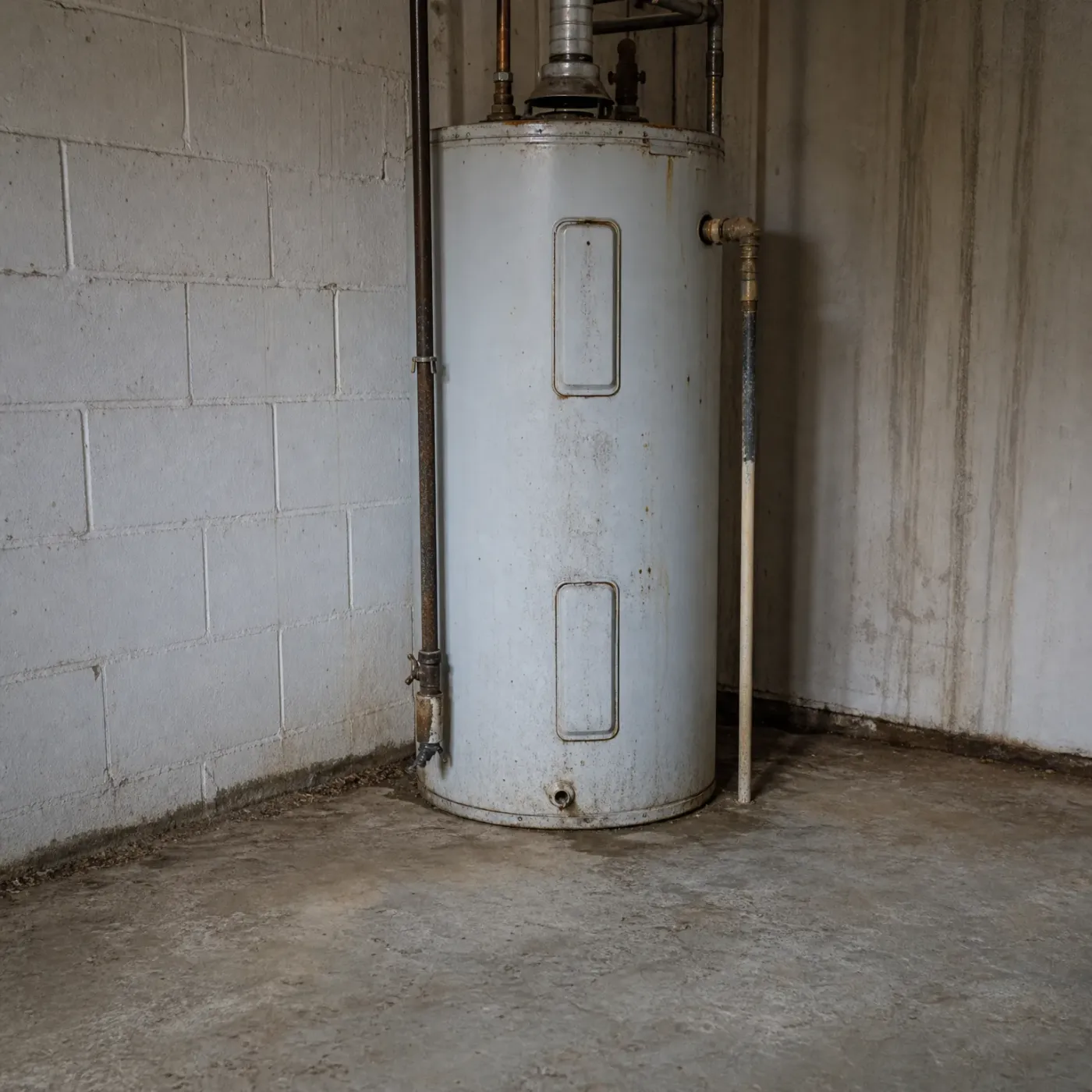
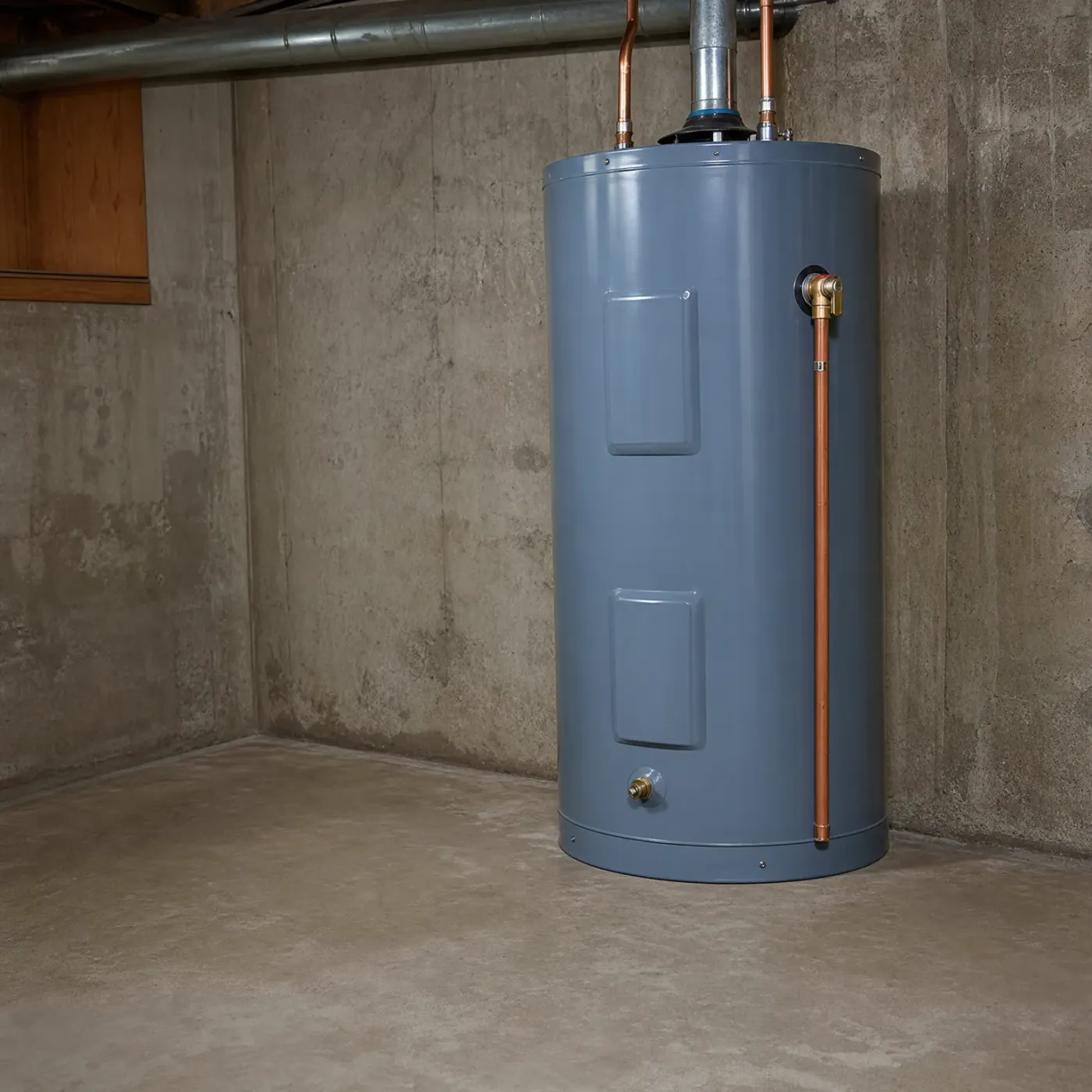
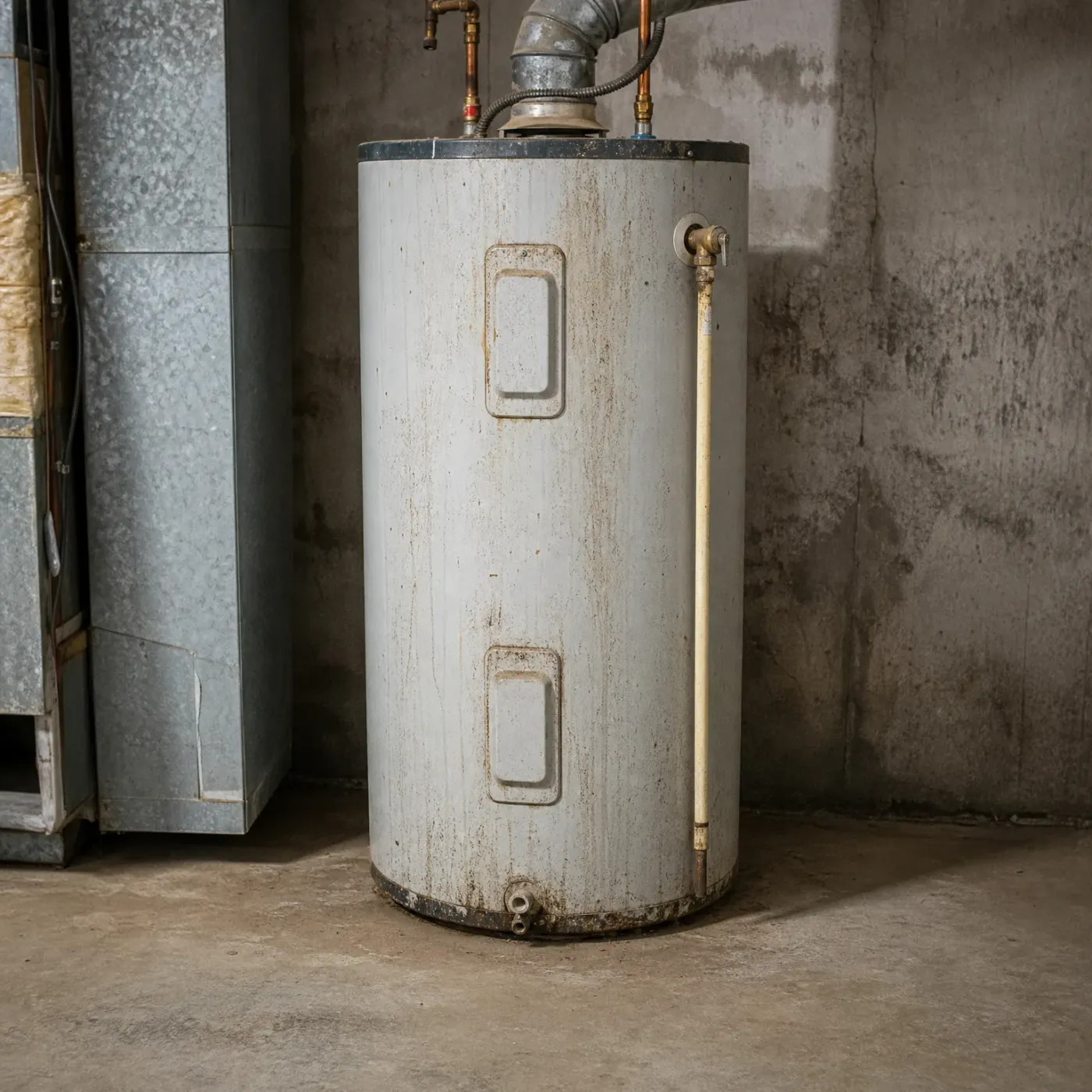
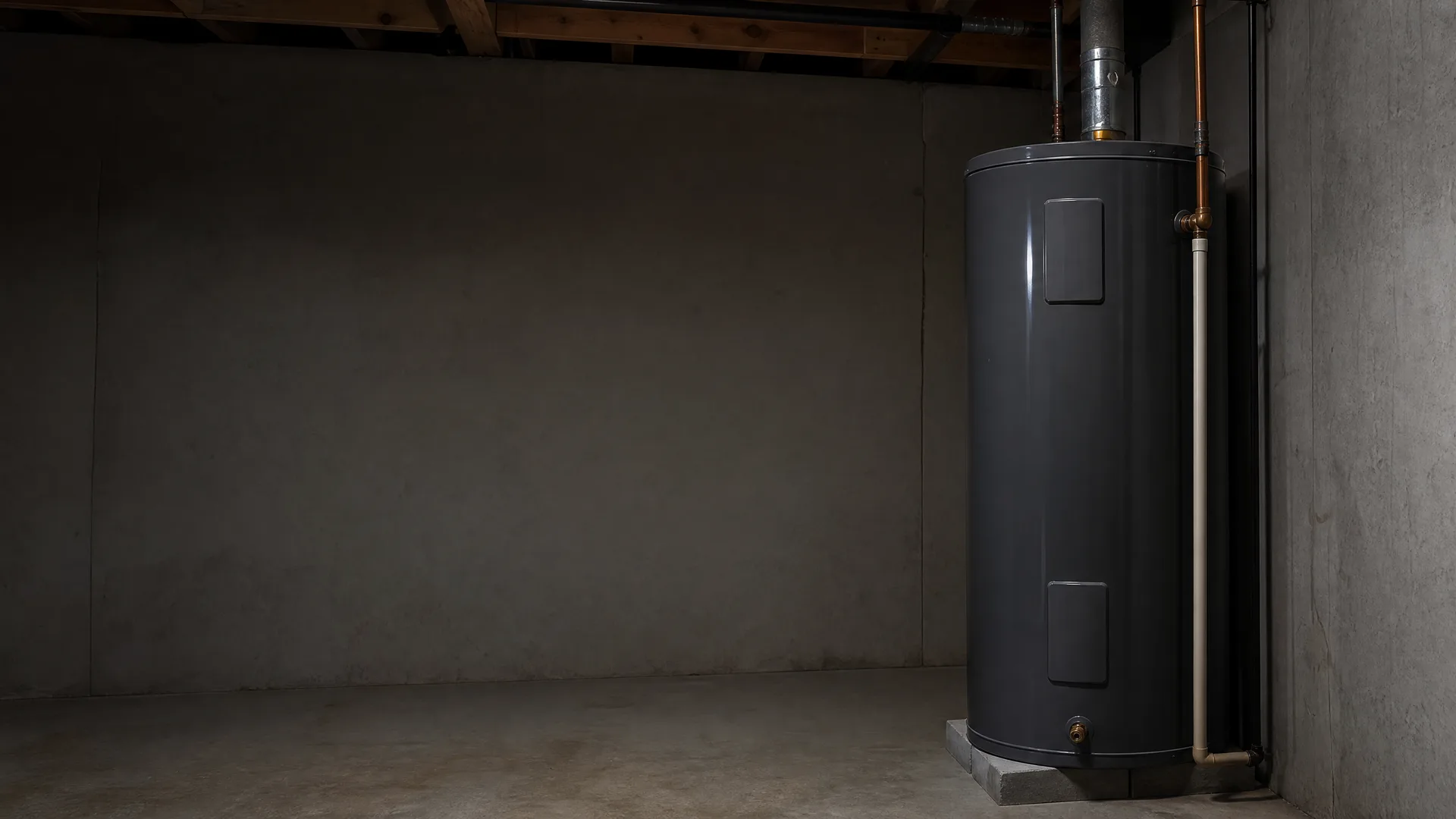
An electric tank keeps two elements, one near the top and one near the bottom, and a thermostat decides when they turn on. When the water drops below your set temperature, the element kicks in and heats that section of the tank. The rest of the time, the elements sit idle and the insulation holds the heat you already paid to make. That's why a tank can serve two showers back to back without strain. It already has the hot water sitting there, ready to go. A tankless unit works differently. There's no reserve, so when you turn on a tap, the unit has to heat that water right then, instantly, which takes a large pull of power all at once. That's a different demand than a tank elements ever makes, since a tank spreads its heating out over time instead of asking for it all in one moment. For a house wired for a standard electric tank, that jump is often more than the panel and wiring were built to carry.
How your water heater actually works
- An electric tank water heater uses two heating elements, an upper and a lower, that switch on and off to keep the whole tank at your set temperature.
- A thermostat on the tank checks the water and only calls for power when the temperature drops below where you set it, so the elements are not running constantly.
- A tankless electric unit has to heat water the moment you open a tap, so it pulls a much larger jolt of power in that instant than a tank ever does.
- That jump in power is why a tankless electric unit often needs heavier wiring and sometimes a larger breaker panel to run at all.
- A tank keeps a reserve of hot water ready, so two showers back to back draw from what is already heated instead of asking the elements to keep up in real time.
- The tank's insulation is what holds that heat between cycles, so the elements rest for stretches rather than working the whole time water sits in the tank.
Finding a pro stops being your job
A tank or tankless swap touches your electric panel, your gas line if you have one, and the space the unit sits in, and getting that wrong costs more to fix than the install itself. The call is different for a rowhouse in Baltimore with a tight utility closet than for a house in Montgomery County with room to spare, and someone who installs water heaters in Maryland homes all year has seen both and knows what the panel can actually support before the work starts. That's the judgment call worth handing off once you know which direction you're leaning. Summers here get sticky and the last thing you want is a water heater problem on top of it, or a cold shower in January because a unit couldn't keep up. Send the request and this stops being something you have to figure out alone.




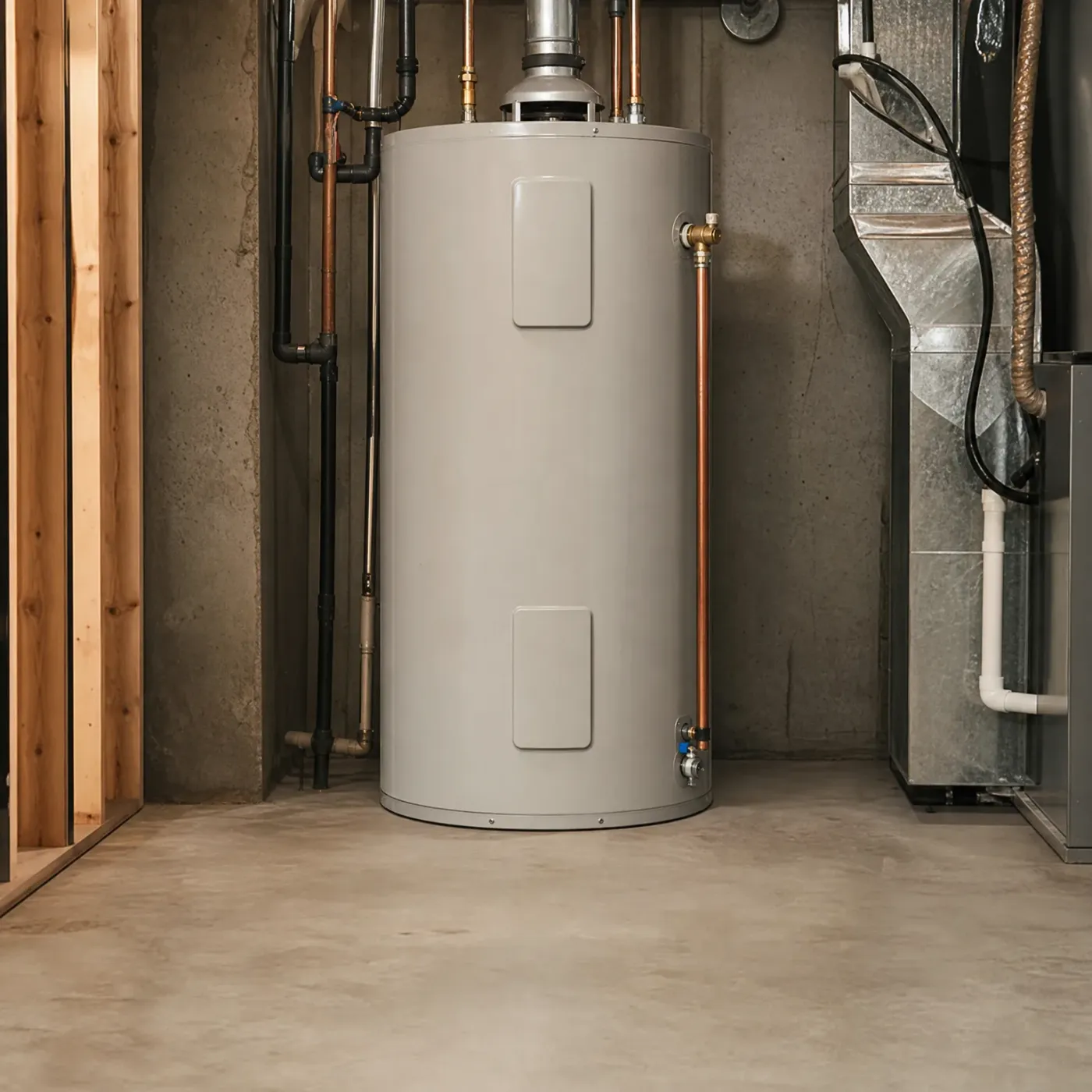
A contractor checks your electric panel for the power a tankless unit needs
Sizing accounts for your home's hot water use at the same time
The old tank comes out and the space gets prepped for the new unit
Electrical, water, and venting connections get made to the new water heater
44.1% of homes statewide heat with electricity
With almost half of Maryland homes running on electric heat, your power bill already carries more than most states' do. A tank water heater keeps that load steady and easy to size to your panel, which is why it's the safer bet here.
ACS 2020-2024 5-year B25040
What This Comes Down To
- For most Maryland homes, a tank is the safer match for an electric panel and an electric water bill.
- Tankless can still work where the panel has the capacity or where gas is already run to the house.
- A contractor licensed in Maryland checks your panel, your gas line if you have one, and your space before recommending either one.
- You're matched with one local contractor who works on tanks and tankless units all year in homes like yours.
- That contractor already knows what tends to fail first in a Maryland rowhouse or a suburban basement install.
- Sizing and panel capacity decide this more than preference, and both get checked before any unit gets installed.
A tank is the right call for most houses in Maryland, because most run on electricity and a tank works with the panel you already have. Tankless isn't ruled out. It just needs either a panel with room to spare or a gas line already at the house, and a lot of homes have neither. That's not something to guess at from a search result. It's something a contractor checks in person, looking at your panel, your gas line if there is one, and where the unit would actually sit.
You get matched with one contractor for this, not a handful competing for the job. That contractor is licensed in Maryland and works on both tanks and tankless units through every season here, which means they've already seen what fails first in a tight rowhouse utility closet versus a suburban basement, and they size the install around your panel and your household's hot water use rather than talking you into whichever unit is easier to sell.
So the decision isn't really tank versus tankless in the abstract. It's what your panel can carry, whether gas is already run to your house, and how much hot water your household goes through. Once a contractor has looked at those three things, the answer is usually clear, and installation moves forward on the type that actually fits your house.
Let someone else find the pro
Only one pro gets your request, so you hear from one company.